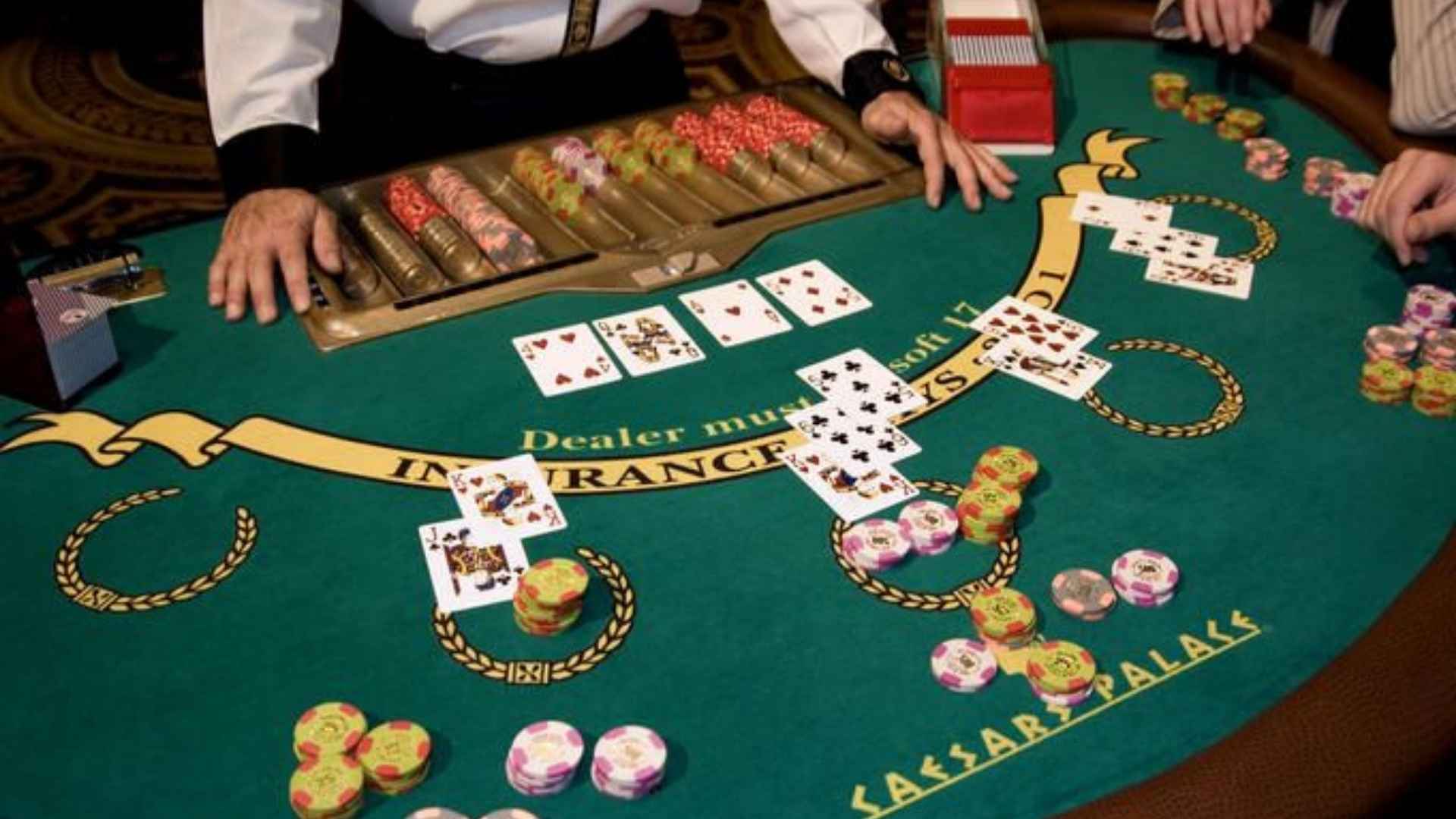
Mahjong is much more than a game of luck and quick tile matching; it is an intellectual exercise that closely mirrors real-world tactical foresight. Developing a structured approach to your hand teaches you how to balance immediate visual gains with sustainable future goals. Embracing this classic pastime can significantly refine your decision-making patterns both on the gaming table and in professional planning environments.
Establishing the Core Vision for Your Hand
Every successful round of Mahjong begins with a thorough assessment of your initial deal, which serves as your primary strategic foundation. Instead of impulsively committing to a rigid pattern early, experienced players look for versatile block groupings that can easily adapt to changing conditions. This early planning phase helps you establish clear organizational objectives while leaving ample room for inevitable adjustments as the match progresses.
By learning how to categorize your starting pieces by suit and potential connection, you reduce cognitive fatigue during high-pressure moments. Recognizing which pathways offer the highest mathematical probability of completion allows you to direct your focus toward high-value combinations. Over time, this disciplined visual routine translates into a natural ability to structure complex plans in your daily personal and professional life.
Balancing Aggressive Offense with Solid Defense
A common pitfall for developing players is focusing entirely on completing their own combinations without observing the wider table dynamics. True mastery of the game requires you to constantly monitor your opponents' discards and deduce their hidden intentions from their visual patterns. Knowing when to temporarily abandon your offensive goals to block another player's progress is a defining skill of top-tier tactical planning.
When table conditions become dangerous, prioritizing safety over rapid progression preserves your hard-earned points and keeps you in the running. This delicate balancing act demonstrates how managing calculated risks can prevent catastrophic losses when circumstances turn unfavorable. Developing this resilient mindset ensures you remain competitive, whether you are analyzing physical table layouts or visiting the Link M88 Mansion platform to research new tactical guides.
Improving Decision Velocity Under Pressure
As the tile pool shrinks during the final stages of a round, the margin for error becomes incredibly slim and demanding. Players must make rapid, calculated choices regarding which pieces to discard and which to keep in reserve. Refining your decision-making speed prevents your opponents from reading your hesitations and gaining a psychological advantage during competitive rounds.
Practicing solo exercises, such as simulating draw-and-discard sequences, is an excellent way to boost your cognitive endurance and pattern recognition. These routine training drills help your brain instantly recognize complex geometric tile shapes and sequence runs without unnecessary stress. By sharpening these mental reflexes, you become much more comfortable navigating tight deadlines and stressful situations with absolute composure.
Applying Mahjong Principles to Professional Life
The strategic habits formed around the gaming table offer profound lessons that can easily be applied to modern business environments. Managing your resources fluidly and pivoting smoothly when market conditions change is highly reminiscent of efficient hand organization and shanten management. Understanding that setbacks are merely neutral shifts in probability helps you maintain an objective, analytical perspective on long-term goals.
Ultimately, treating every challenge as an evolving puzzle encourages a healthy, adaptable mindset that thrives under extreme uncertainty. Engaging with this timeless pastime consistently will naturalize these constructive habits and boost your overall strategic foresight. Embracing the learning journey step by step is the ultimate way to master both the game and your personal planning initiatives.