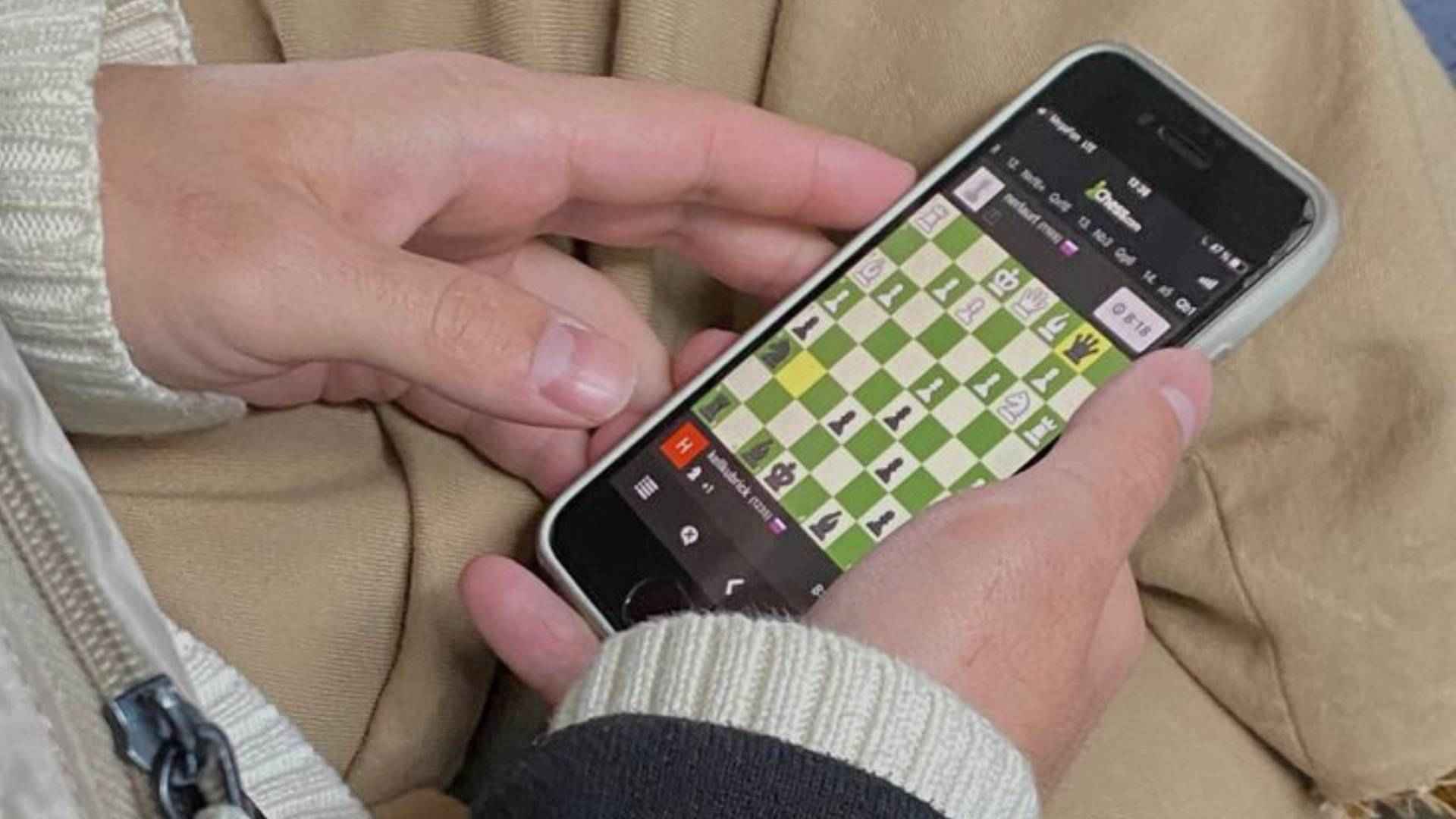
Engaging with digital prize wheels and interactive casual games has become a popular pastime for millions of players seeking modern leisure. While these entertainment platforms rely primarily on random chance mechanics, developing specific cognitive approaches can significantly enhance the overall quality of each session. By turning casual gameplay into an opportunity for personal improvement, participants can cultivate useful decision-making capabilities over time.
Understanding Patterns and Random Mechanics
Modern gaming platforms utilize advanced random number generators to guarantee that every single rotation produces completely unpredictable outcomes. Recognizing the mathematical foundation behind these systems prevents players from falling into common misconceptions regarding past streaks. Instead of assuming a pattern exists, analytical minds learn to treat every spin as an isolated event requiring careful observation.
This disciplined focus helps individuals understand game dynamics more clearly, building a deeper appreciation for interactive design features. Over time, observing how different digital interfaces present their reward tiers allows players to adjust their expectations realistically. Developing this structured awareness forms the baseline for cultivating advanced skills in high-stakes visual environments.
Cultivating Strategic Equilibrium and Patience
Success in any competitive or interactive ecosystem often requires a careful balance between immediate action and long-term planning. Players who master the art of patience tend to manage their virtual balances much more effectively than those who rely on impulsive choices. Learning to maintain emotional control during both high-scoring periods and challenging cycles ensures a sustainable relationship with digital entertainment.
For those looking to deepen their strategic insight into complex online systems, finding the right portal is essential. Using a reliable source like the Link M88 Mansion can connect you to interactive platforms where strategic play and balanced choices are highly encouraged. Utilizing these platforms allows participants to experiment with tactical boundary-setting and improve their cognitive adaptability.
Enhancing Decision Making Under Pressure
Quick-thinking scenarios within digital casual games provide an excellent simulation for making rapid choices under strict time constraints. As the pointer rotates, individuals must quickly calculate potential risk factors and decide when to participate next. This fast-paced environment exercises the brain's ability to remain calm and focused despite external visual stimulation.
Studies show that individuals who regularly engage in structured problem-solving games experience improvements in spatial awareness and critical thinking. Transferring these sharp abilities into daily activities can lead to better professional and personal productivity standards. Ultimately, treating casual leisure as a mental training ground turns every victory into a moment of genuine self-improvement.
Building Sustainable Leisure Habits
Developing healthy boundaries around digital gaming routines ensures that the activity remains a positive influence in your life. Setting strict schedules for gameplay prevents casual interactive entertainment from overlapping with crucial professional responsibilities. Consistency in managing time allows individuals to fully enjoy the recreational benefits of gaming without experiencing mental fatigue.
Furthermore, taking systematic breaks between interactive sessions helps maintain peak cognitive performance and keeps the experience fresh. When players approach the screen with a rested mind, they are more capable of observing fine layout details and making rational choices. Healthy routines ultimately sustain a long-term appreciation for the evolution of modern interactive mechanics.